Metamorphosen
Strauss’s eulogy to the world he knew and loved is an outpouring of emotion, and one of his most intimate works. Metamorphosen is paired with other works that extract maximum power from small forces.
Arrive 30 minutes before the concert for a pre-concert talk and Q&A! All ticket holders are invited to attend.
Jan. 31 Q&A: Hendel Almétus, Michel Taddei, Matilda Hofman
Feb. 1 Q&A: Michel Taddei, Matilda Hofman
Program includes:
Richard Strauss - Metamorphosen for septet
Luciano Berio - Sequenza XIVb for double bass
Hendel Almétus - Tounen for solo flute
Robert Hughes - Sonitudes
Artists
Anna Presler, violin
Phyllis Kamrin, viola
Tanya Tomkins, cello
Leighton Fong, cello
Michel Taddei, double bass
Stacey Pelinka, flute
Alisa Rose, violin (guest artist)
Ivo Bokulic, viola (guest artist)
Meet the composers


-
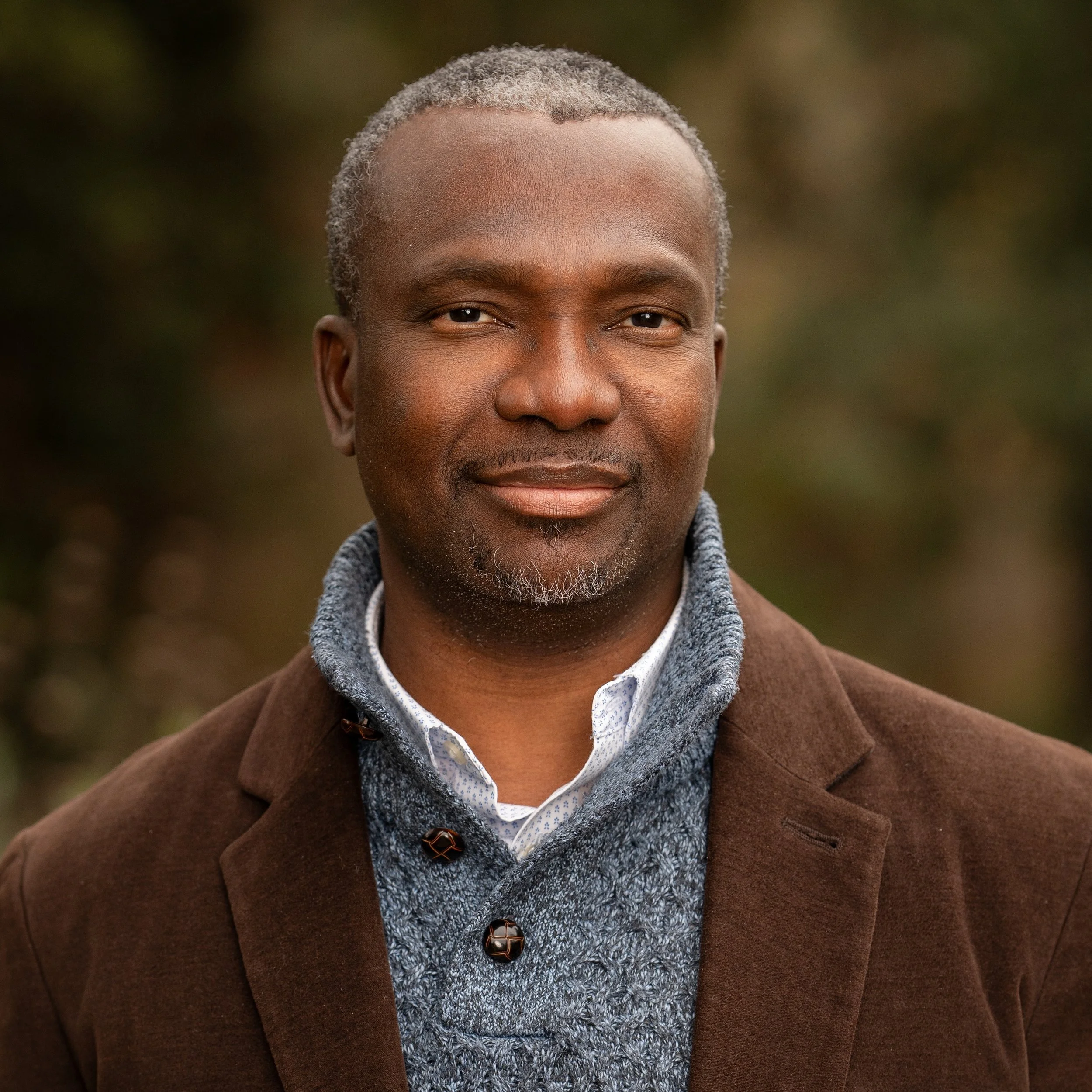
Hendel Almétus - Tounen (2022)
The challenges of the past few years—particularly the global awakening to issues of social justice following the death of George Floyd—have stirred in me a profound longing for wholeness and righteousness in our interactions with one another. I began to yearn for a place free of oppression, governed instead by an awareness of our true selves and our shared humanity.
This longing inspired me to write Tounen as a musical vision of that ideal world—one grounded in equity and justice, and one that celebrates diversity and difference. The piece is constructed from short musical gestures derived from a hexachordal collection of pitches, which are then restructured into tetrachords. These tetrachords form the underlying architecture of the composition and, at key moments, gradually emerge to the surface.
The gestures they generate are timbrally varied, interacting within a nonlinear and non-teleological musical space. I juxtapose these melodic fragments to build a three-layered texture—high, middle, and low—each defined by its own timbral, harmonic, and textural identity. Though the layers may appear disconnected and lacking in goal-directed motion, their coexistence suggests an eternal, timeless temporal dimension that transcends linear progression.
Rhythmically, the gestures draw on patterns reminiscent of my childhood, giving rise to the title Tounen—a Creole word meaning “to return.” The title reflects both a literal and symbolic return to my Haitian roots and to the cultural values that shape who I am.
Throughout the piece, threads of connection operate across multiple dimensions, unifying the structure, generating its musical objects, and supporting their surface differences. The interplay of these elements—both on the surface and beneath it—reveals a dynamic relationship of mutual dependence and shared origin.
Ultimately, Tounen invites listeners to dwell within its inner world, where unity, balance, and wholeness emerge from diversity—a musical reflection of the perfect place I seek to paint through sound.
— Hendel Almétus
Luciano Berio - Sequenza XIVb (2002)
(arr. Stefano Scodanibbio)All aspects of the piece live a double life. The strings are used, of course, with the bow and with various, even unprecedented, ways of direct contact with the hands, but the cello body is also used as if it were a percussion instrument. Traditional rhythmic modules from Sri Lanka (Rohan de Saram’s country of origin) are contrasted, assimilated, and developed, elaborated in variable and differentiated proportions of duration. There is a constant dialogue between the horizontal and vertical dimensions (between melody and harmony, as it was once said) and therefore also between sound and noise. Sequenza XIV develops an expressive climate that is extremely unstable and diversified but, I would say, aware of the history of the cello, which is one of the few instruments to have been so profoundly and extensively shaped by the history of music. Sequenza XIV was written in 2002 for Rohan de Saram.
— Luciano Berio
Robert Hughes - Sonitudes (1970)
Sonitudes, written in December 1970, was commissioned by Gene Hambelton as a Christmas present for his wife Patrice, a very accomplished flutist, and for his son Craig, a talented young cellist. In its original form the movements made personal reference to the family and were hence a rather updated form of gebrauchmusik (“Scene for Gene,” “Plague for Craig” — so called due to its difficulty for the young cellist; “Lay for Gay” — the 13th-century song form having a double entendre meaning for the teenage daughter, and “Caprice for Patrice”). In revising the work in 1971 for a wider audience, the titles were changed and the introduction of quasi-Japanese influence was added (the “kokko” rhythm and supine koto position of the cello played on the floor with a drumstick). Amusingly enough, the possibilities of percussively playing a reclining cello were discovered by the composer while hiding behind that instrument during a nude improvisation session with the dance group “Berkeley Movers.” The rhapsodic second movement continues to be very difficult for the cello. The third movement, “Serenade,” is the most complicated of the pieces, the free-sounding cross rhythms requiring great care in their synchronization. The final “Caprice” was written as a technical tour de force for the flutist and must be one of the most difficult things around to perform. Due to the practice time required to master the flute part the piece has the aspect of an “etude,” yet the extension of its sonorities by the cello make it a serious concert piece, a “sonorous etude,” and, hence its title, Sonitudes. In 1974 the California Cello Club selected Sonitudes as one of their prizewinning compositions.
The work was first recorded on the 1750 Arch label by Janet Millard and Loren Brown, winning accolades for its interest and techniques, and re-issued on the Second Evening Art label (#AG1964).
— Robert Hughes
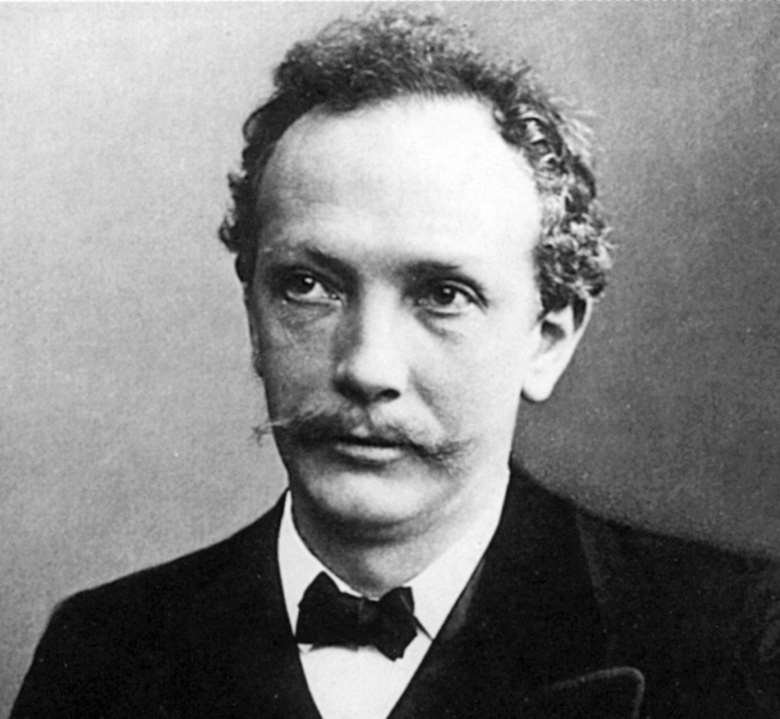
Richard Strauss - Metamorphosen (1945)
(arr. Rudolf Leopold)Born in Munich in 1864, Richard Strauss was a prominent composer, conductor, and horn player whose compositions both reflected and responded to the ever-transforming world he inhabited. He enjoyed widespread renown during his lifetime through the success of his tone poems and operas, and through his various conducting appointments and guest appearances. Though his compositions were largely conservative and Romantic in nature, his considerable experimentation with advanced harmony and orchestration influenced later modernist composers such as Anton Webern and Arnold Schoenberg. In the composer’s final years, Strauss’s works became increasingly reflective and emotionally poignant, contending with both personal and historical turmoil.
Composed near the end of World War II, Metamorphosen (“Transformations”) laments the devastating wartime destruction of human life and culture; written originally for 23 solo strings, the piece stands as one of Strauss’s most profound musical elegies. Metamorphosen grows from a concise set of thematic motifs into a lush and varied musical narrative. Mirroring Strauss’s own navigation of loss and upheaval during the war, these recurring motifs — subject to their turbulent musical surroundings — continually evolve, persevere, and re-emerge in new forms.
The piece at once eulogizes the world Strauss had lost while grappling with the one that remained. Reinforcing the work’s elegiac intent, Strauss explicitly quotes the opening funeral march from Ludwig van Beethoven’s Eroica Symphony, even writing “In Memoriam!” beside the quotation in the original score. A more lively middle section offers fleeting glimmers of hope, but the piece concludes in the same somber tone with which it began, underscoring Strauss’s ongoing reckoning with his new reality. This reckoning extended beyond the piece itself; after completing Metamorphosen, Strauss reflected grimly in his diary: “The most terrible period of human history is at an end, the twelve year reign… under the greatest criminals, during which Germany’s 2,000 years of cultural evolution met its doom.”
— Emily Thomas
-
-
>> VACCINATION & MASK POLICY
Proof of COVID-19 vaccination and masking are no longer required at these venues.
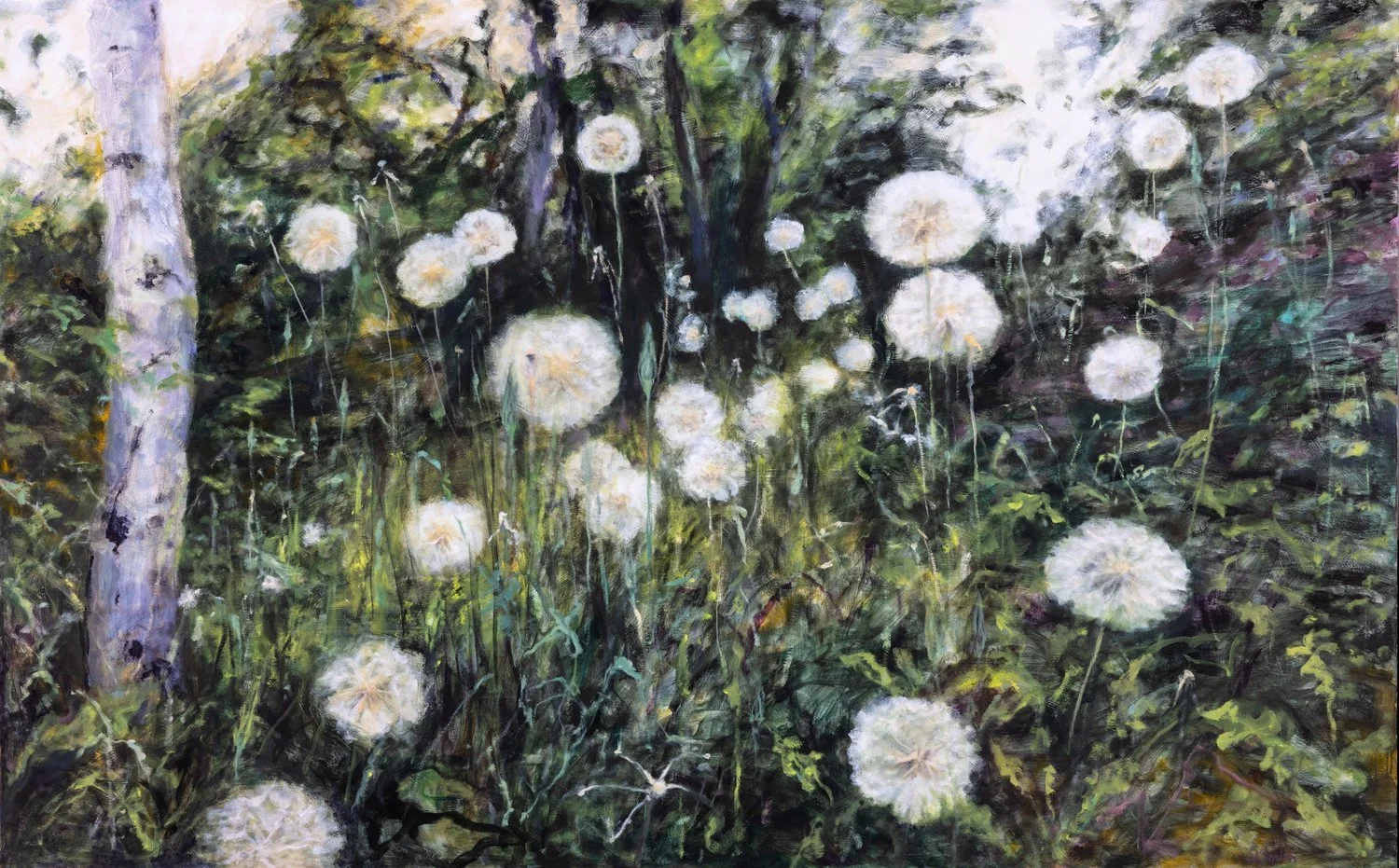
Image credit: Copyright Sally K. Smith, used by permission of Artist. The banner image is a detail of Dandelion with Aspen.
Saturday, January 31, 2026, 7:30 PM
First Church of Christ, Scientist
2619 Dwight Way
Berkeley, CA 94720
Sunday, February 1, 2026, 4:00 PM
Noe Valley Ministry
1021 Sanchez Street
San Francisco, CA 94114